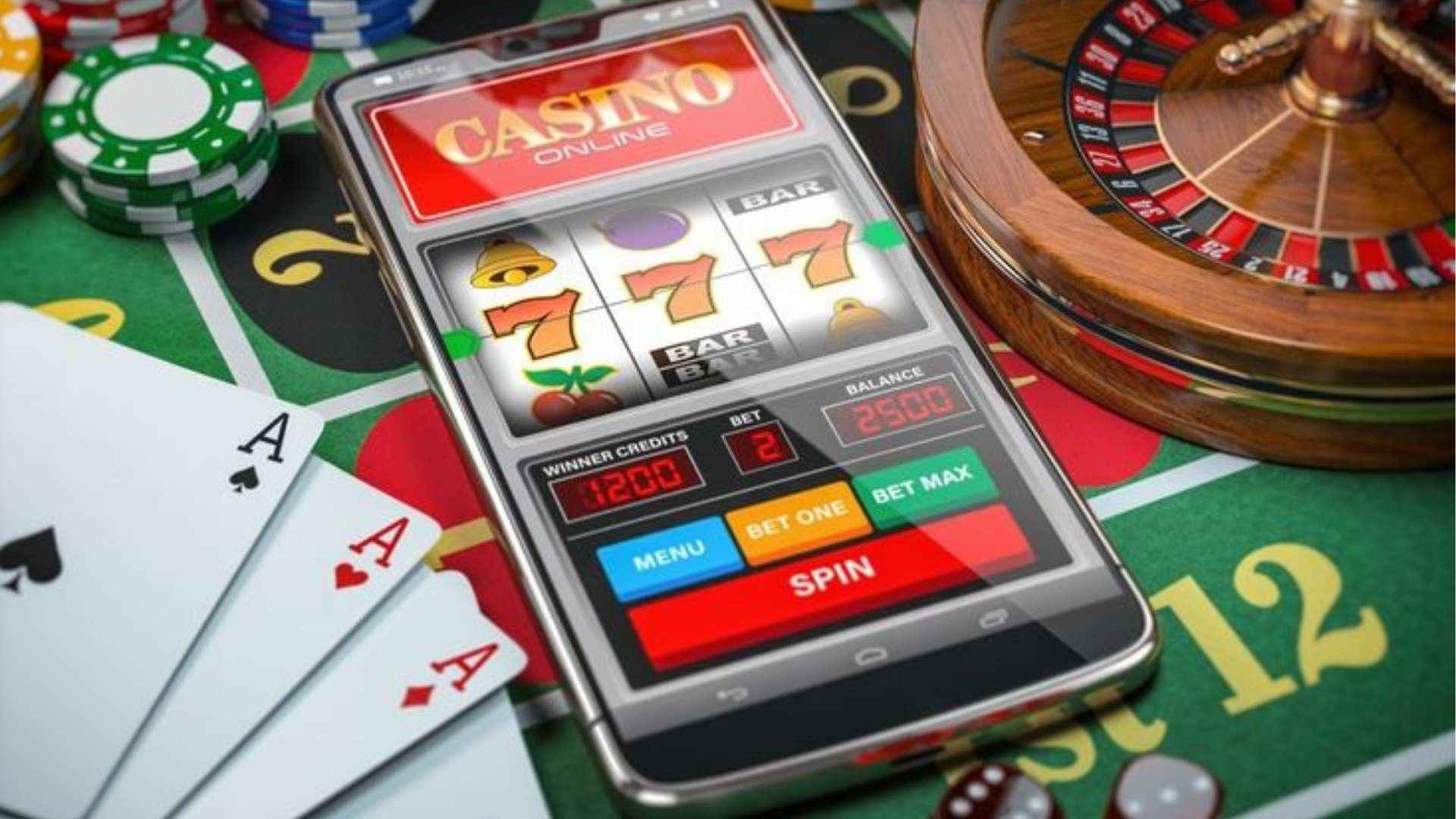
Engaging in probability games is often viewed as a simple way to pass the time or enjoy some lighthearted competition. However, these activities serve as an excellent environment for developing real-world cognitive capabilities that extend far beyond the gaming table. By constantly evaluating risk and uncertainty, players can naturally train their minds to build highly useful intellectual habits.
Refining Objective Risk Assessment
One of the most immediate benefits of playing chance-based games is the development of a structured approach to risk tracking. Instead of relying on emotional impulses, participants learn to calculate the mathematical likelihood of specific outcomes before executing a move. This objective evaluation shifts a person's perspective from simple guesswork toward data-driven planning.
In daily life, the ability to separate genuine threats from statistical anomalies is incredibly valuable for professional growth. Regular exposure to shifting odds allows individuals to navigate unpredictable professional landscapes with much greater emotional stability. Over time, this practice builds an intuitive understanding of sample distributions and variance.
Enhancing Strategic Resource Allocation
Probability games require participants to manage limited resources, such as cards, chips, or turns, under conditions of incomplete information. To maximize long-term success, players must learn when to preserve their capital and when to commit heavily to an advantageous situation. This balance teaches the fundamental principles of portfolio management and strategic budgeting.
Understanding how to distribute assets efficiently is highly applicable to personal finance and corporate management scenarios. When looking for digital environments to observe these resource distribution strategies in real time, exploring options like M88 asia offers an engaging platform. Cultivating these analytical skills helps people avoid common financial traps caused by impulsive decision-making.
Overcoming Cognitive Biases and Fallacies
Human psychology is naturally wired to find patterns where none exist, often leading to common logical errors such as the gambler's fallacy. Engaging regularly with probability mechanics helps players confront these cognitive distortions directly by demonstrating that independent events remain completely unaffected by past outcomes. Recognizing these mental biases is a crucial step toward developing a mature analytical mindset.
By overcoming the illusion of control, individuals become far better equipped to accept temporary setbacks without losing focus on long-term goals. This psychological resilience prevents people from chasing losses or making erratic changes to an otherwise sound strategy. Consequently, logical thinking triumphs over superstitious habits in everyday problem-solving scenarios.
Improving Dynamic Adaptability
Unlike deterministic puzzles that offer a single fixed solution, games of chance are constantly changing based on randomized variables. Players must remain highly flexible, frequently adjusting their tactics as new data becomes available during a match. This continuous need for recalibration sharpens a person's situational awareness and cognitive agility.
In a rapidly changing world, the capacity to pivot strategic directions without panic is a vital leadership trait. Embracing uncertainty through gaming trains the brain to treat unexpected developments as manageable variables rather than stressful crises. Ultimately, these practical experiences foster a highly proactive mindset prepared for any real-world challenge.