Poker is a dynamic game where information is the most valuable currency on the table. While beginners often focus exclusively on the cards they are dealt, experienced players know that true advantage comes from studying human behavior and decision-making patterns. By sharpening your situational awareness, you can turn subtle physical and strategic cues into highly profitable opportunities.
Tracking Opponent Betting Patterns
The way a player allocates their chips across different betting rounds reveals an enormous amount about their actual hand strength. Many competitors inadvertently use consistent sizing choices when they are bluffing versus when they hold an unbeatable premium hand. Paying close attention to these minor deviations allows you to make highly accurate predictions about their hidden holdings.
In addition to sizing, the timing of a wager often serves as a major behavioral indicator at the table. A sudden change in pacing, such as an immediate call or a prolonged hesitation before a raise, frequently signals a specific psychological state. Gathering this operational data across multiple hands helps you build a reliable baseline model for every person in the session.
The Value of Structural Awareness
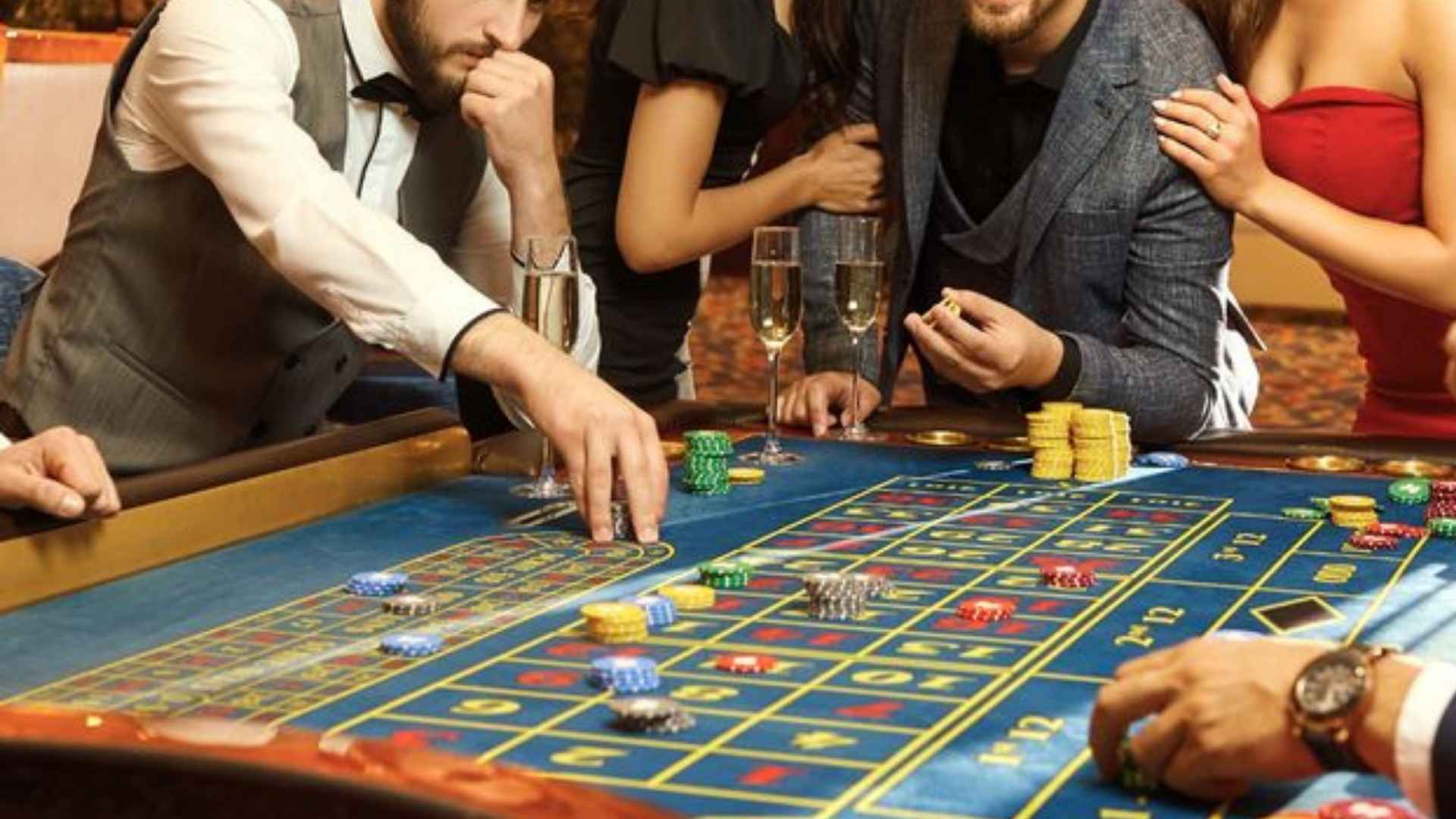
Table dynamics shift constantly based on stack sizes, player positions, and the overall mood of the game. A successful strategy requires you to observe how these shifting variables influence the aggression levels of your opponents. For instance, a normally conservative competitor might take unreasonable risks if they are currently experiencing a stressful losing streak.
Understanding how physical and virtual environments influence decision quality is an essential part of modern card games. Players looking for a reliable environment to practice their analytical skills often utilize professional platforms like M88 asia to test their theories. Observing table dynamics in real time remains the most effective method for accelerating your strategic development.
Decoding Physical and Emotional Tells
In live card games, unconscious physical movements can provide a direct window into an opponent's emotional state. Simple reactions, such as a change in posture, an altered breathing pattern, or a specific way of handling chips, often expose hidden anxiety or immense confidence. Identifying these involuntary habits gives you a massive psychological edge during critical, high-stakes showdowns.
However, it is equally crucial to remain objective and ensure you are not misinterpreting a single isolated movement. Professional competitors often practice absolute stillness and standard packaging to avoid broadcasting any clear signals to their opponents. True observation relies on identifying recurring behavioral trends rather than jumping to conclusions based on a single reaction.
Maintaining Personal Focus and Discipline
To observe others effectively, you must first master absolute control over your own focus and emotional reactions. It is incredibly easy to become distracted by temporary variance or external elements during an extended playing session. Cultivating deep mental discipline ensures that you keep gathering high-quality data even when you are not actively participating in a hand.
Every deal provides a wealth of educational information if you are willing to look past the surface outcomes. By dedicating your energy to continuous situational analysis, you can anticipate dangerous scenarios long before they threaten your chip stack. Ultimately, the most observant minds are the ones that consistently secure long-term success at the green felt.